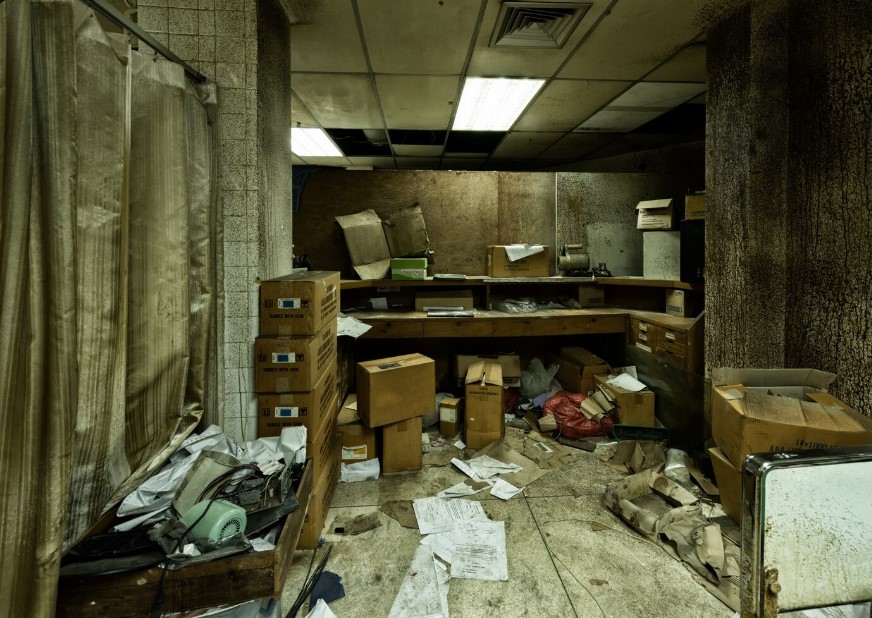

Basement flooding is one of the most stressful situations a homeowner can experience. Water entering a basement can damage flooring, walls, furniture, electrical systems, and personal belongings within a short period. Beyond the obvious damage, too much moisture can foster the growth of mold and degrade indoor air quality. Restoring a flooded basement requires more than removing standing water. It involves identifying the source, addressing hidden moisture, and taking appropriate steps to make the space safe and functional again.
Understanding the challenges associated with basement flooding can help homeowners respond effectively, minimize property damage, and prevent recurring problems.
Common Causes of Unexpected Basement Flooding
Basement flooding can occur for several reasons, often without much warning. Heavy rainfall, poor drainage, foundation cracks, and plumbing failures are among the most common causes. When the surrounding soil becomes saturated, water pressure against foundation walls may increase, allowing moisture to enter through existing openings.
Sump pump failures can also contribute to unexpected flooding. Although these systems are intended to remove collected water, their correct operation may be hampered by power outages, mechanical issues, or a lack of capacity.
Burst pipes, leaking appliances, and sewer backups present additional risks. Homeowners who discover their basement flooded after a storm or plumbing emergency should identify the likely source before beginning restoration. Addressing the underlying problem is essential to preventing further damage.
Immediate Safety Concerns After Basement Flooding
Safety should always be the first consideration when dealing with basement flooding. Standing water may conceal electrical hazards, contaminated materials, or damaged structural components. Entering a flooded basement without understanding these risks can expose homeowners to dangerous conditions.
If water has reached electrical outlets, appliances, or wiring, homeowners should avoid entering the affected area until a qualified professional confirms that it is safe. Electrical power should only be disconnected when it can be done without approaching standing water.
Floodwater may also contain harmful microorganisms, particularly when sewage backups or outside runoff are involved. Protective equipment and professional assistance may be necessary when dealing with potentially contaminated water.
Taking appropriate precautions before cleanup helps reduce the likelihood of injuries and additional property damage.
Hidden Moisture and the Risk of Mold Growth
One of the greatest challenges following basement flooding is moisture that remains trapped inside building materials. Even after standing water has been removed, drywall, insulation, wooden framing, and carpeting may retain significant amounts of water.
These damp conditions can encourage mold growth, sometimes within 24 to 48 hours. Mold may develop behind walls, beneath flooring, or inside enclosed spaces where it remains unnoticed.
A musty odor, discoloration, or persistent dampness may indicate an underlying moisture problem. However, mold is not always visible, making thorough moisture inspections important.
Professional restoration teams may use moisture meters, dehumidifiers, and specialized drying equipment to identify and address affected areas. Proper drying is essential because surface cleaning alone cannot resolve moisture trapped within structural materials.
Restoring Damaged Walls, Floors, and Personal Belongings
Floodwater can affect numerous materials throughout a basement. Carpeting and padding absorb moisture quickly, while wooden flooring may warp or swell after prolonged exposure. Drywall can weaken when saturated, particularly near the base of walls.
Restoration decisions depend on the extent of water exposure, contamination levels, and the condition of affected materials. Some belongings can be cleaned and dried successfully, while others may require replacement.
Porous materials exposed to sewage or heavily contaminated floodwater often cannot be safely restored. Professional assessment helps determine which items are salvageable.
Homeowners should also document damage through photographs and maintain records of cleanup expenses. These records may prove useful when communicating with insurance providers about potential coverage.
Preventing Future Basement Flooding
Once restoration is complete, prevention becomes an important priority. Regular property maintenance can significantly reduce the likelihood of another flooding incident.
Gutters and downspouts should direct rainwater away from the foundation. Homeowners should inspect basement walls for cracks, maintain sump pumps, and ensure that surrounding landscaping promotes proper drainage.
Installing water detection alarms may provide early warnings when moisture begins accumulating. Backup sump pump systems can offer additional protection during power outages or equipment failures.
Routine inspections are especially valuable in areas that experience heavy rainfall, snowmelt, or seasonal groundwater changes.
The Importance of Professional Water Damage Restoration
Severe basement flooding often requires specialized equipment and professional expertise. Restoration specialists can assess water damage, extract accumulated water, monitor moisture levels, and recommend appropriate repairs.
When mold contamination is present, professional remediation may be necessary to prevent spores and contaminated materials from spreading throughout the property.
A comprehensive restoration approach addresses both immediate damage and the conditions that contributed to the flooding. This helps homeowners avoid repeated repairs and ongoing moisture problems.
Conclusion
Unexpected basement flooding can disrupt daily life and create serious challenges for homeowners. From electrical hazards and damaged belongings to hidden moisture and mold growth, the consequences can extend far beyond the initial incident.
Restoring a safe living space requires prompt action, thorough drying, careful damage assessment, and preventive maintenance. By addressing the source of flooding and seeking professional assistance when necessary, homeowners can protect their property, reduce future risks, and regain confidence in the safety and comfort of their homes.