
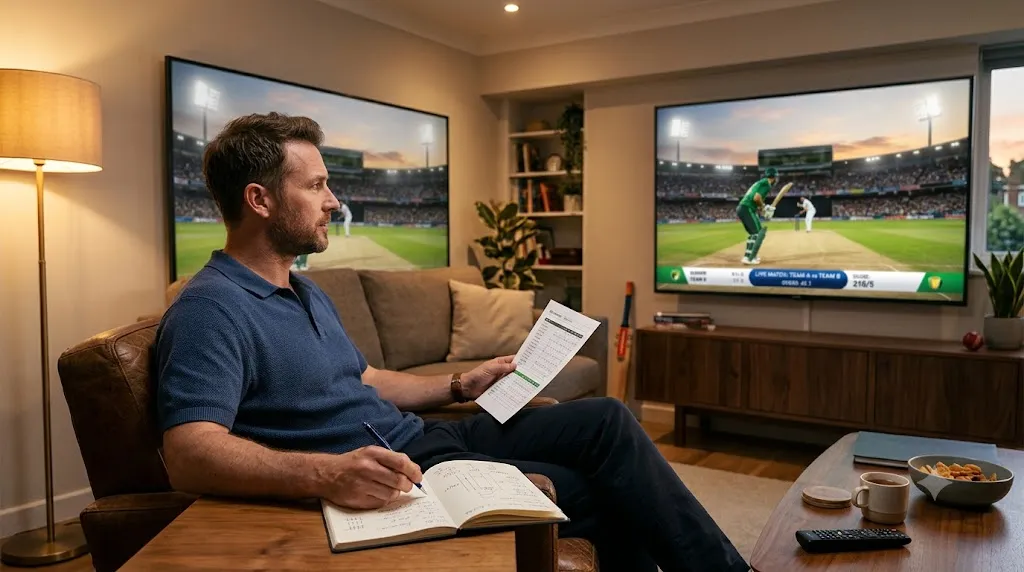
A cricket match can become absorbing long before the final result is in sight. People following parimatch live material may see frequent score updates and rapid commentary, but a stream of fresh numbers is not the same as a complete understanding of play. Consider instead the relationship between scoring pressure, batting resources and changing conditions. Those factors give meaning to the fluctuations.
Picture a chase of 170. One team reaches eighty for one after ten overs; another reaches ninety for five. The second is ahead on runs yet has far fewer options left. The contrast shows why cricket is best read as a developing contest rather than a race between isolated figures. How a score was constructed matters as much as the score itself.
Live is not identical for everyone
A spectator in the stadium and a viewer on a stream may receive events at different times. A stadium spectator sees events immediately, while a phone stream may be several seconds behind.
That timing gap can influence how people interpret commentary and rapidly changing statistics. Different data feeds may refresh at different intervals. A mismatch is worth noting, but it cannot be explained without knowing which source recorded the event and when.
Know the match situation
A reference to pari cricket offers no substitute for understanding the remaining wickets and overs. Required rate, wickets in hand and overs remaining form a more complete picture than the current total. A required rate of ten runs per over is easier to manage with two established batters than with a fragile lower order.
Venue dimensions and pitch behaviour can make identical scores lead to very different conclusions. Pitch behaviour and boundary dimensions also matter. Two chases with matching numbers on the graphic can involve very different tactical constraints.
A useful pause between overs
An over is a natural unit of cricket analysis. Waiting until it ends provides a chance to examine whether the bowler has changed pace or the batters have adjusted their running. Reacting after each ball can exaggerate normal variation and obscure a larger tactical pattern.
Score graphics show outcomes, while the cricket itself shows how those outcomes were produced. An apparently expensive over might include two misfields; a cheap one might result from batters missing hittable deliveries. A thoughtful account describes the mechanism, not merely the total.
Distinguish data from forecasts
A forecast expresses uncertainty through assumptions about players and conditions. A win-probability graphic is a model output, not a hidden glimpse of the ending.
It should not be mistaken for knowledge of the future, especially when the weather or lineup changes. The model may assume typical player performance and past conditions. Unexpected rain, a substitution permitted by the rules or a sudden injury can quickly make its original assumptions less relevant.
Avoid the emotional loop
Repeatedly checking numbers after every delivery can make a match feel more stressful than enjoyable. Constant alert checking can interrupt enjoyment, and amplify every setback.
Choose sensible intervals to revisit scores, and give commentary time to add perspective. Choosing to follow a few meaningful intervals—such as the end of the powerplay and the fifteenth over—creates space to notice partnerships, tactics and field placements instead of reacting automatically.
When conditions interrupt a plan
A brief shower or heavy dew can alter grip and make the ball behave differently. A captain may revise bowling choices because a specialist can no longer produce the expected movement. Such shifts do not always appear in the win-probability graphic immediately.
A responsible interpretation admits when the available data is thin. Consider the actual surface, conditions and available players before describing a projection as reliable. The difference between an estimate, and an event is central to enjoying live sport without false certainty.
Focus on the sport itself
Partnership building and field placements offer richer stories than a single fluctuating number. A captain moving a fielder thirty metres can alter the next over more than the previous boundary suggests.
An enjoyable viewing routine leaves time for conversation, context and the surprise that makes sport compelling. A successful partnership may depend on running between wickets rather than striking sixes. Pay attention to those quieter details; they explain the match without requiring predictions.
Conclusion
Live cricket is most enjoyable when its uncertainty is accepted rather than erased by a forecast. Readers encountering parimatchlive.in can use match information as a starting point while checking the site’s identity, terms and any regional legal limitations separately.
