Using sunscreen every morning is a good skincare habit, but applying it does not automatically mean your skin is fully protected. Small mistakes, such as using too little product or forgetting certain areas, can reduce the protection you actually receive.
These habits become especially important for people dealing with uneven skin tone or dark spots. Consistent sun protection can help reduce additional UV-related pigmentation, but the results depend partly on how correctly sunscreen is used.
Choosing the Best sunscreen is only the first step. Understanding common application mistakes can help you get more value from your daily skincare routine.
Forgetting Areas Outside the Face
Many people focus only on their cheeks, forehead, and nose. Unfortunately, several other areas receive regular sun exposure.
The ears, neck, hairline, hands, and exposed arms are frequently missed during application.
This is particularly relevant for people who commute, walk outdoors, drive, or spend time near open windows.
Create a Consistent Application Pattern
Use the same order every morning so that you do not forget important areas. Start with the face, continue to the ears and neck, and then cover any other exposed skin.
If you wear clothing that exposes your arms or legs, remember those areas too. Protective clothing can provide additional coverage when applying sunscreen is inconvenient.
Treating One Morning Application as All-Day Protection
Sunscreen is not a permanent protective layer. Sweat, water, rubbing, towel drying, and ordinary daily activities can affect how well it remains on the skin.
Applying sunscreen before leaving home is important, but it may not be enough when you spend several hours outside.
When Should You Reapply?
A useful general guideline is to reapply approximately every two hours when outdoors. You should also reapply after swimming, heavy sweating, or towel drying, following the product instructions.
People with long commutes or outdoor work schedules can keep a sunscreen product in their bag to make reapplication easier.
Choosing a Product Based Only on Its SPF Number
A high SPF number is useful, but it should not be the only factor behind a purchase.
SPF primarily indicates protection against UVB radiation, which is a major cause of sunburn. UVA protection is also important because UVA exposure contributes to long-term skin damage.
People looking for Sunscreen for pigmentation should pay attention to broad-spectrum protection rather than selecting a product based on SPF alone.
What Should the Label Include?
Look for these features:
-
Broad-spectrum UVA and UVB protection
-
SPF 30 or higher
-
A clearly stated UVA protection rating where available
-
Water resistance when needed for outdoor or water-based activities
-
Application and reapplication instructions
If visible-light-related pigmentation is a concern, a dermatologist may recommend considering a tinted formula containing iron oxides.
Rubbing or Wiping the Skin Too Frequently
Sweating is common in warm and humid conditions. People often wipe their faces repeatedly with towels, tissues, or their hands.
Frequent rubbing can remove sunscreen from the skin and may also irritate areas that are already sensitive.
If you are prone to pigmentation after inflammation, unnecessary friction can make your skincare routine harder to manage.
A Better Way to Handle Sweat
-
Gently pat sweat with a clean towel instead of rubbing.
-
Avoid repeatedly touching your face with unwashed hands.
-
Reapply sunscreen when needed after wiping or heavy sweating.
-
Choose a formula that feels comfortable in your local climate.
A comfortable Best sunscreen should fit your daily activities. If a product feels too greasy or uncomfortable, you may be less likely to apply enough or reapply it when necessary.
How Sunscreen Fits Into a Pigmentation-Focused Routine
Dark spots can develop for several reasons, including sun exposure, acne-related inflammation, hormonal changes, and certain skin conditions.
Sunscreen is an important preventive step, but it is not a guaranteed treatment for existing pigmentation.
People considering Sunscreen for pigmentation should combine consistent sun protection with a routine that does not unnecessarily irritate the skin.
Keep the Rest of Your Routine Balanced
A basic routine may include:
-
A gentle cleanser to remove dirt and excess oil
-
A moisturizer that supports the skin barrier
-
Daily broad-spectrum sunscreen
-
Additional targeted products only when suitable for your skin
Avoid combining multiple strong exfoliating or brightening products without understanding how they interact. If dark spots are persistent, spreading, or changing, consult a dermatologist rather than relying entirely on cosmetic products.
A Daily Sunscreen Option to Consider
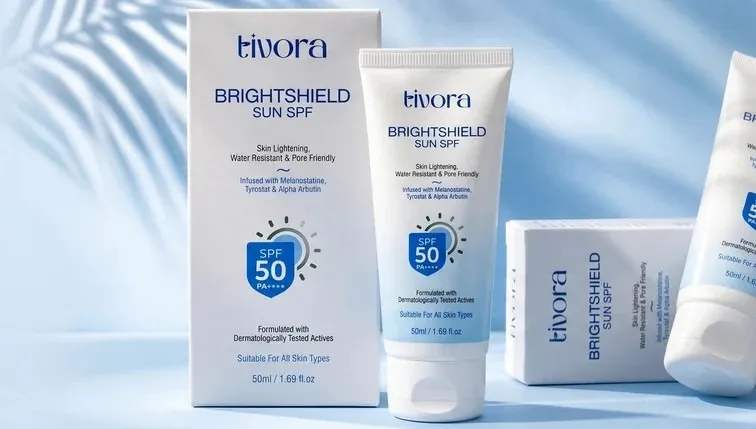
Tivora BrightShield SPF 50 PA++++ is an option for people who want a daily sunscreen with stated SPF 50 and PA++++ protection. Its formula is positioned as lightweight and designed to avoid a visible white cast, which may be useful for people who dislike a heavy finish.
Its listed skincare ingredients include Alpha Arbutin, Tyrostat, and Melanostatin. These ingredients should not be treated as guaranteed solutions for dark spots or as substitutes for proper sun protection.
As with any skincare product, check the ingredient list, follow the directions, and consider your skin’s individual needs.
Final Thoughts
Sunscreen mistakes are often small, but repeating them every day can weaken your overall sun protection routine. Applying too little product, missing exposed areas, forgetting reapplication, and choosing a formula based only on SPF are habits worth correcting.
The Best sunscreen is one that offers suitable protection and works with your daily routine. For people concerned about dark spots, Sunscreen for pigmentation should be used consistently alongside sensible sun-protection habits.
Focus on correct application rather than constantly changing products. A simple routine followed properly is more useful than an expensive routine filled with products you rarely use.