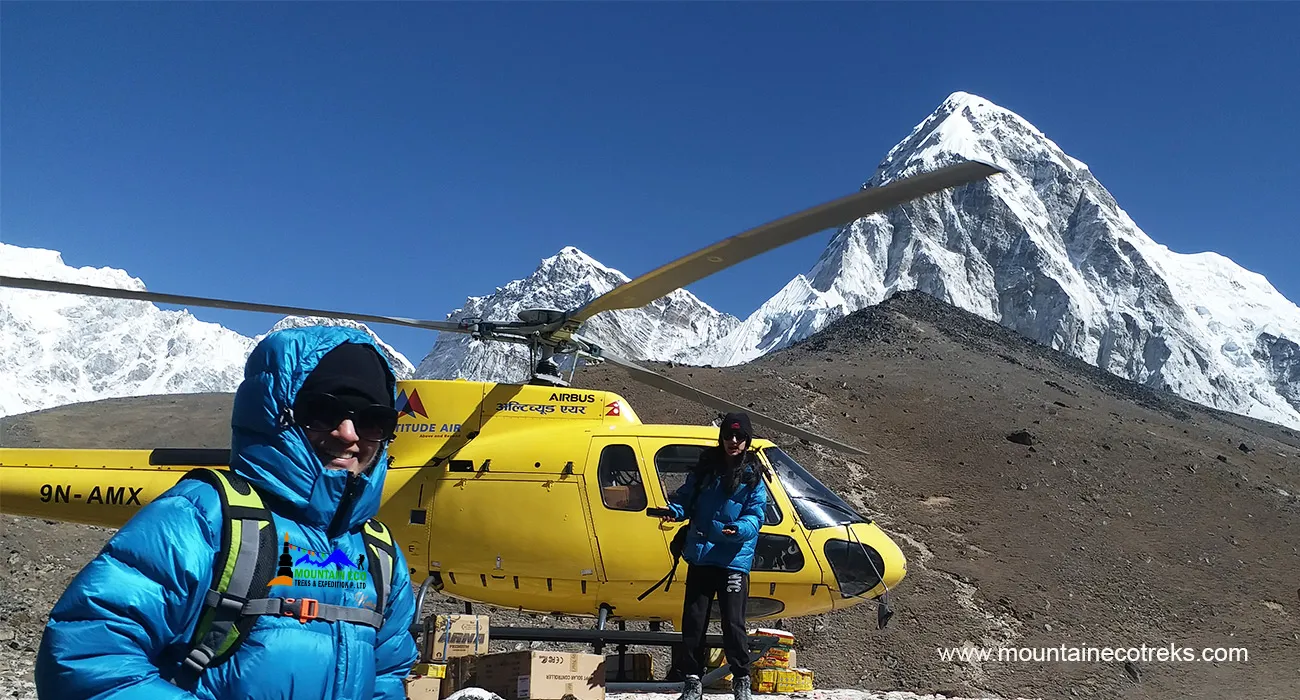
The Everest region does not look or feel the same throughout the year. The mountains, villages, trails, skies, and temperatures can change with the seasons. These differences can shape how your trek feels from the first day to the last.
Choosing a season is therefore about more than finding good weather. It can affect trail conditions, mountain views, clothing needs, crowd levels, and the overall rhythm of your days.
The Everest Base Camp Trek with helicopter return can be enjoyed during suitable trekking periods, but understanding seasonal changes helps you prepare for the experience you are actually going to have.
Spring Brings a Lively Mountain Landscape
Spring is one of the popular periods for trekking in the Everest region. As winter begins to fade, the lower parts of the trail can become more colorful.
Flowers Add Character to Lower Trails
Rhododendron flowers are one of the special sights of spring. The lower forest sections can feel very different from the rocky landscape found at higher elevations.
The combination of green forests, clear mountain views, and flowering plants creates a gradual transition as you climb toward the higher valleys.
Mornings Can Still Feel Cold
Although spring brings warmer conditions compared with winter, mornings and evenings can remain cold at altitude.
A good clothing system is still important. Layers allow you to adjust as temperatures change during the day.
Autumn Offers Clear Mountain Atmospheres
Autumn is another well-known trekking season. After the summer monsoon period, the mountain landscape can often feel fresh and open.
Visibility Can Become a Major Highlight
Clearer skies can provide excellent opportunities to see peaks, valleys, and ridgelines along the route.
This does not mean every day will have perfect weather. Mountain conditions can change quickly, so it is still wise to keep your plans flexible.
Trails Can Feel Busy
Autumn is also a popular period for trekking. You may meet many other trekkers on the route and find more activity around major villages.
For some travelers, this creates an energetic atmosphere. Others may prefer quieter surroundings.
Winter Creates a Different Kind of Trek
Winter changes the character of the Everest region significantly.
Temperatures can become very low, especially at night and at higher elevations. Snow and icy sections may also affect parts of the route.
Cold Becomes Part of the Daily Plan
Winter trekking requires more attention to warm clothing and sleeping comfort.
Gloves, warm layers, suitable socks, and good protection for exposed skin become especially important.
The shorter days can also influence how you organize your walking time.
Monsoon Changes the Lower Trail
The summer monsoon brings a different set of conditions.
Rain can affect lower sections of the route, while clouds may reduce mountain visibility. Trails can become wet and muddy in some areas.
Weather Can Influence Travel Plans
Rain and cloud can also affect flights to and from mountain airstrips. This is one reason travelers should avoid planning their entire journey around a strict schedule.
A little flexibility can make unexpected weather much easier to manage.
The Higher You Go, the More Seasons Feel Different
Seasonal changes are not identical at every elevation.
A lower village may feel relatively mild while a higher settlement is much colder on the same day.
Your Clothing Should Work in Stages
Instead of thinking about one temperature for the entire trek, prepare for several conditions.
Your clothing system should allow you to handle:
-
Warm sunlight during lower sections
-
Cool mornings
-
Cold evenings
-
Wind at exposed viewpoints
-
Much lower temperatures at higher elevations
This approach is more useful than packing only for the weather you expect in Kathmandu.
Mountain Views Depend on More Than the Calendar
A particular season may generally offer certain conditions, but weather is never completely predictable in the mountains.
Clouds can appear quickly. Wind can increase. Snow can arrive unexpectedly.
Leave Space for Weather Changes
A good trekking plan allows some flexibility rather than treating every day as fixed.
Your guide can help you understand local conditions and make practical decisions when the weather changes.
This is especially important when flights are part of your itinerary.
Your Daily Experience Can Change With the Season
The same trail can feel completely different depending on when you visit.
A sunny autumn morning may encourage longer photo stops. A cold winter morning may make you want to start moving sooner.
Spring may draw your attention to forests and flowers, while clearer post-monsoon conditions may put the mountain peaks at the center of your experience.
The route stays familiar, but your experience of it changes.
Choose Your Season Around the Experience You Want
There is no single seasonal experience that suits every traveler.
Someone interested in flowers and fresh landscapes may enjoy spring. Another traveler may prefer the clearer mountain atmosphere often associated with autumn.
Think Beyond Temperature
Before choosing dates, consider several factors:
-
Weather patterns
-
Trail conditions
-
Crowds
-
Mountain visibility
-
Temperature
-
Flight flexibility
-
Your personal comfort with cold or changing weather
Looking at all these factors gives you a more realistic picture of the journey.
Keep Your Helicopter Return Flexible
The helicopter section is one of the distinctive parts of this trek, but helicopter operations remain dependent on mountain weather and flight conditions.
A scheduled flight does not remove the need for flexibility.
Do Not Build Your Whole Plan Around One Exact Hour
Allow some room for changes when planning onward travel after the trek.
The Everest Base Camp Trek with helicopter return includes a flight from the high mountain region, so weather conditions can affect when the flight operates.
Your trekking team can provide guidance based on the situation at the time.
Let the Season Shape Your Expectations
One of the easiest ways to enjoy the trek is to stop expecting the mountains to behave like a fixed schedule.
Every season has its own atmosphere. The trail may look different, the air may feel different, and the villages may have a different rhythm.
Instead of comparing your trip with photographs from another month, pay attention to what your own season offers.
Final Thoughts
Seasonal planning can make a major difference to your Everest experience. Spring, autumn, winter, and monsoon periods each bring different conditions, and those differences can influence everything from scenery to daily comfort.
The Everest Base Camp Trek with helicopter return becomes easier to understand when you prepare for the season rather than simply preparing for the destination.
Choose dates that match the experience you want, pack for changing conditions, and leave enough flexibility for mountain weather. That approach can help you enjoy the trail without expecting every day to look exactly as planned.
FAQs
1. Which seasons are commonly used for Everest Base Camp trekking?
Spring and autumn are commonly chosen because they generally offer favorable trekking conditions, although weather can vary.
2. Is winter trekking possible?
Winter trekking can be possible, but colder temperatures and potential snow require more preparation and flexibility.
3. Does monsoon affect the Everest region?
Yes. Rain, cloud, and flight disruptions can affect travel, particularly during the summer monsoon period.
4. Can weather affect the helicopter return?
Yes. Helicopter operations depend on current weather and flight conditions.
5. Does the Everest Base Camp Trek with helicopter return feel different in different seasons?
Yes. Temperature, visibility, trail conditions, vegetation, crowds, and overall atmosphere can vary considerably by season.