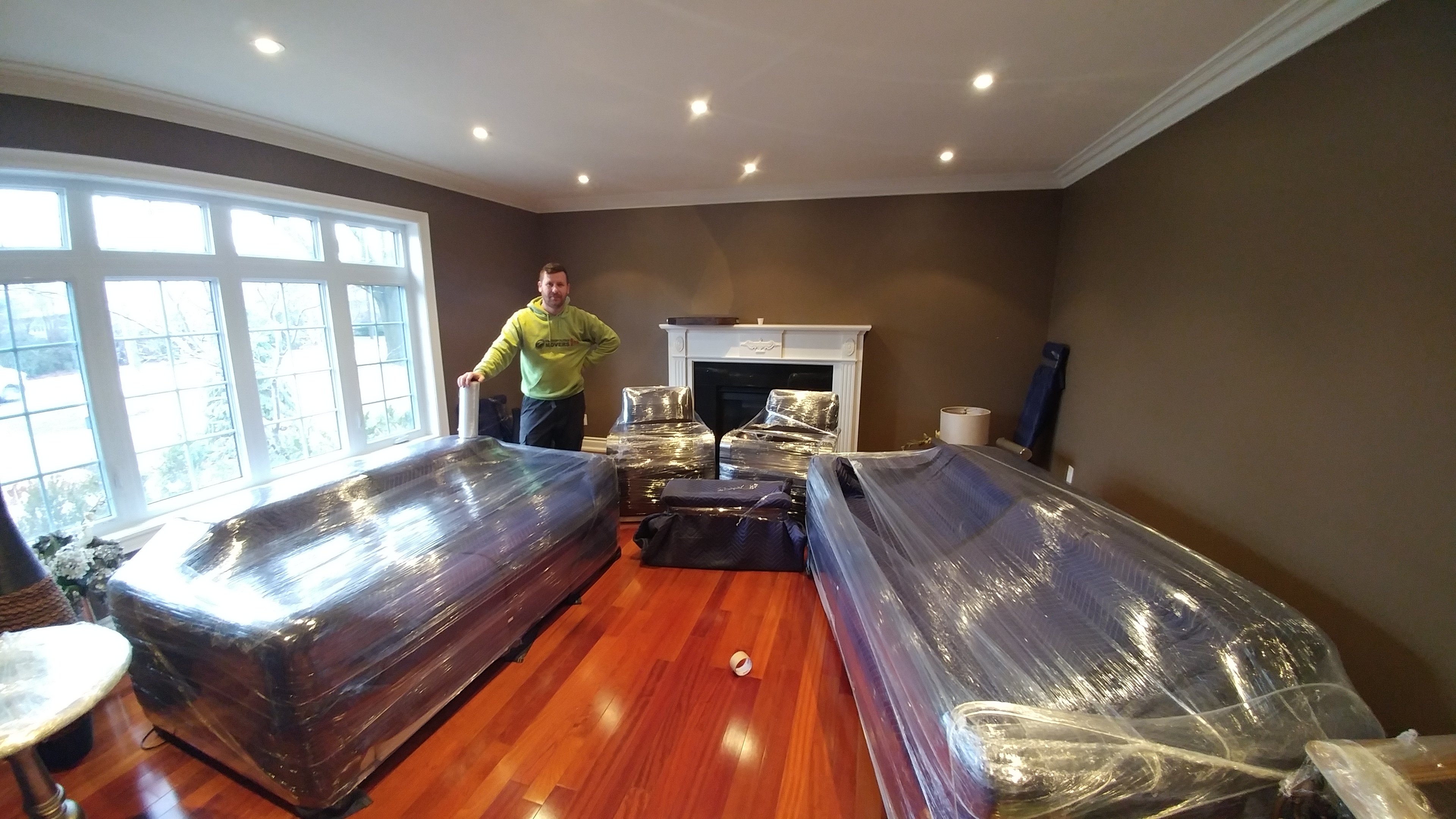

Moving During Winter in Canada: Essential Tips for a Safe and Organized Relocation
Winter moving in Canada presents challenges that are less common during warmer months. Snow-covered driveways, icy walkways, freezing temperatures, and unpredictable weather can affect how household belongings are packed, carried, and transported.
Whether relocating within the same neighbourhood or moving between Canadian cities, winter conditions require additional preparation. Furniture may need protection from moisture, entrances must remain accessible, and moving schedules should account for shorter daylight hours and changing road conditions.
However, a winter relocation does not have to become unnecessarily complicated. With practical planning, appropriate packing materials, and clear communication, households can organize their move while adapting to seasonal conditions.
Understanding how cold weather affects moving activities is the first step toward preparing for a successful winter relocation.
Why Winter Moving Requires Additional Preparation
Moving during winter involves many of the same responsibilities as relocating in spring or summer. Furniture must be prepared, boxes need to be packed, and transportation arrangements must be coordinated.
The difference is that cold-weather conditions introduce additional considerations.
Snow and ice can make outdoor surfaces slippery. Wet footwear may bring moisture into the home, and certain belongings can be sensitive to extreme temperatures.
Winter daylight hours are also shorter, leaving less natural light for loading and unloading.
In some Canadian regions, weather conditions can change quickly, making it important to monitor forecasts and maintain flexibility.
The most effective winter moving plans address these challenges before moving day rather than waiting until conditions become difficult.
1. Monitor Weather Conditions Before Moving Day
Canadian winter weather varies considerably by region.
Southern Ontario may experience snowfall, freezing rain, and rapidly changing temperatures, while Prairie communities can experience prolonged periods of extreme cold.
Coastal regions may face wet winter conditions, and northern communities can encounter particularly demanding seasonal environments.
Begin checking the local weather forecast several days before the planned relocation.
Pay attention to:
-
Expected snowfall.
-
Freezing rain or icy conditions.
-
Temperature changes.
-
Wind and visibility.
-
Road conditions.
-
Weather advisories affecting travel.
For longer-distance moves, review conditions along the transportation route as well as at the departure and destination properties.
If severe weather is expected, discuss the situation with the moving provider and determine whether adjustments may be necessary.
Weather forecasts can change, so continue monitoring conditions as moving day approaches.
2. Clear Snow and Ice From Access Areas
Safe access to the property is essential during a winter relocation.
Moving crews may need to transport heavy furniture, appliances, and boxes between the building and the moving vehicle.
Snow-covered stairs or icy walkways can make this process more difficult.
Before loading begins, inspect all outdoor access routes.
Driveways
Remove accumulated snow from the driveway or designated loading area.
Ensure there is sufficient room for the moving vehicle to access the property where permitted.
Walkways
Clear snow from paths connecting the entrance and loading area.
Pay particular attention to narrow sections and uneven surfaces.
Steps and Entrances
Remove snow and ice from outdoor steps, porches, and entryways.
Use appropriate winter maintenance materials where necessary, following local guidance and property requirements.
Apartment and Condominium Buildings
Residents of multi-unit properties should confirm which outdoor areas are maintained by building management.
If a shared entrance or loading area requires attention, notify the appropriate building representative before moving activities begin.
Clear access routes can help reduce interruptions and improve moving-day safety.
3. Protect Indoor Floors From Snow and Moisture
During winter, snow and moisture can easily enter a home through footwear and moving equipment.
Repeated movement between indoor and outdoor areas may leave floors wet or slippery.
Before the moving crew arrives, prepare the main access route inside the property.
Use suitable floor protection materials designed for the flooring type.
Pay particular attention to entryways, hallways, and areas where furniture will be carried.
Avoid placing loose coverings that could shift underfoot.
For homes with hardwood flooring, select protective materials that will not damage the surface.
Keep appropriate cleaning supplies nearby to address moisture when necessary.
At the destination, prepare similar protection before unloading begins.
These steps can help maintain cleaner and more accessible indoor pathways throughout the move.
4. Pack Household Belongings for Cold-Weather Transportation
Packing for a winter move requires attention to both physical protection and temperature sensitivity.
Ordinary household items may tolerate cold conditions without difficulty, while electronics, certain decorative objects, and sensitive materials may need additional precautions.
Begin by selecting sturdy moving boxes.
Avoid using cartons that have become wet or weakened.
Seal containers securely and protect fragile contents with suitable cushioning.
Clothing and Bedding
Clean clothing, blankets, and bedding should be packed in dry containers.
Keep essential winter clothing accessible rather than placing everything inside the main shipment.
Kitchen Items
Wrap glassware, dishes, and ceramics individually where appropriate.
Use suitable cushioning to prevent movement during transportation.
Books and Paper Materials
Pack books and documents in dry containers.
Avoid leaving paper-based belongings exposed to snow or moisture.
Decorative Items
Fragile decorations should be wrapped and supported according to their materials and construction.
Some decorative objects may be sensitive to rapid temperature changes.
Household Essentials
Prepare a separate bag containing items needed during travel and immediately after arrival.
Thoughtful packing helps households stay organized even when winter conditions complicate loading and unloading.
5. Prepare Wooden Furniture for Winter Moving
Wooden furniture can be affected by changes in temperature and humidity.
Tables, cabinets, dressers, and other wooden items should be prepared carefully before transportation.
Start by removing loose objects and detachable components.
Empty drawers and cabinets when appropriate.
Use suitable protective furniture coverings to reduce exposure to dirt and moisture during handling.
Avoid placing adhesive materials directly against delicate wooden finishes.
For antique furniture or pieces with sensitive surfaces, specialized preparation may be appropriate.
After arrival, allow furniture to adjust to the indoor environment before making unnecessary adjustments to joints or components.
The preparation required depends on the furniture’s construction and condition.
When researching professional movers in Canada, households should explain whether they have delicate wooden furniture or other items requiring additional handling.
6. Protect Electronics From Extreme Temperatures
Electronics are common household belongings that may require special attention during winter transportation.
Televisions, computers, monitors, gaming systems, and other devices can be sensitive to condensation and rapid temperature changes.
Before packing, disconnect equipment carefully and organize accessories.
Use suitable protective packaging, preferably the original manufacturer packaging when available and appropriate.
Avoid placing heavy objects against screens or delicate components.
After transportation, equipment that has been exposed to cold conditions may need time to adjust to room temperature before being powered on.
Follow the manufacturer’s instructions for the specific device.
Do not assume that every electronic item has the same temperature requirements.
For particularly sensitive equipment, consult the manufacturer’s handling guidance before moving day.
7. Keep Essential Winter Items Accessible
One of the simplest ways to prepare for a cold-weather relocation is to keep winter necessities separate from packed household belongings.
These items may be needed during loading, travel, or arrival.
Prepare a clearly identified personal bag containing:
-
Winter jackets and warm clothing.
-
Gloves and hats.
-
Suitable winter footwear.
-
Phone chargers.
-
Medications.
-
Important documents.
-
Water and snacks.
-
Basic toiletries.
-
A change of clothing.
-
Necessary items for children or pets.
For households travelling between cities, consider the expected weather conditions along the route.
Keep these belongings with you rather than placing them inside boxes that may not be immediately accessible.
8. Plan Around Shorter Daylight Hours
Winter days are shorter across much of Canada.
Depending on the location and time of year, natural daylight may be limited during the afternoon.
This can affect moving activities, particularly when furniture must be transported through outdoor walkways or loading areas.
Where practical, schedule the most demanding outdoor tasks during daylight hours.
Prepare belongings before the moving crew arrives so loading can begin efficiently.
Check that outdoor entrances and access routes have suitable lighting.
At the destination, ensure that the entrance and unloading area can be used safely if activities continue after sunset.
An organized schedule helps reduce unnecessary delays when daylight is limited.
9. Winter Moving in Toronto and Southern Ontario
Winter relocations in Toronto and surrounding communities can involve a combination of snow, freezing rain, wet surfaces, and changing temperatures.
Residential moving conditions may vary between detached houses, townhouses, apartment buildings, and condominium properties.
For example, moving from a detached home in a suburban neighbourhood may require clearing a driveway and walkway.
A condominium relocation may instead involve coordinating an elevator reservation and confirming that the building’s loading area is accessible.
When arranging a moving company in Toronto, residents should provide details about the property layout, winter access conditions, and any building-specific moving requirements.
This information can help the moving provider understand the conditions at both locations.
Residents should also monitor local weather advisories and follow applicable parking and snow-clearing requirements.
10. Winter Moving Conditions Across Canadian Regions
Canada’s winter conditions differ significantly from one region to another.
Understanding these regional differences can help households prepare for local or long-distance relocations.
Ottawa and Eastern Ontario
Ottawa winters commonly involve snowfall and extended periods of freezing temperatures.
Residents should pay attention to driveway access, outdoor steps, and snow accumulation near entrances.
Montreal and Quebec
Winter conditions may include substantial snowfall and icy surfaces.
Apartment buildings with outdoor staircases or narrow entrances may require additional preparation.
Calgary and Southern Alberta
Calgary can experience rapid temperature changes during winter.
Residents should monitor local forecasts and ensure outdoor access routes remain suitable for moving activities.
Edmonton and Northern Alberta
Extended cold periods can make winter preparation particularly important.
Households should keep essential winter clothing accessible and prepare belongings according to their temperature sensitivity.
Winnipeg and Manitoba
Very cold winter conditions may affect outdoor moving activities.
Clear walkways, appropriate clothing, and careful transportation planning are especially important.
Vancouver and Coastal British Columbia
Coastal winter conditions may involve rain, wet surfaces, and occasional snow or ice.
Moisture protection and accessible loading areas remain important considerations.
Regardless of the region, winter moving plans should reflect local conditions rather than relying on a single approach for every Canadian city.
11. Coordinating Long-Distance Moving During Winter
Long-distance winter relocations require additional attention because weather conditions may differ between the departure city, transportation route, and destination.
For example, a household moving from Toronto to Ottawa may encounter different road conditions along the route.
A relocation between Ontario and Alberta may involve even greater changes in temperature and weather.
When evaluating long-distance moving services, customers should discuss expected transportation arrangements and any winter-related considerations.
Important preparation steps include:
-
Confirming pickup and delivery arrangements.
-
Reviewing weather forecasts along the route.
-
Preparing sensitive belongings for transportation.
-
Providing accurate property access information.
-
Keeping essential items available during travel.
-
Maintaining communication if conditions change.
Avoid planning essential household activities around an arrival time that has not been confirmed.
For long-distance moves, allow practical flexibility when coordinating access to the destination property.
12. Prepare Apartment and Condominium Access
Winter moving into a condominium or apartment requires coordination between building access arrangements and seasonal conditions.
Residents should confirm whether an elevator reservation is necessary.
Check the location of the designated loading area and determine whether it is protected from snow or precipitation.
If the building has an outdoor loading entrance, confirm that the access route is maintained.
For properties with underground loading facilities, review vehicle height restrictions and entry procedures.
Large furniture should be measured against elevator dimensions and hallway clearances.
Communicate these details to the moving provider before the scheduled relocation.
Clear building access arrangements can help reduce unnecessary interruptions during winter moving activities.
13. Prepare Children and Pets for a Winter Relocation
Moving with children or pets during winter requires additional attention to comfort and safety.
Cold temperatures and active moving areas can create challenges for household members who are not directly involved in loading and unloading.
Children
Prepare warm clothing and keep familiar belongings accessible.
Where possible, arrange a supervised indoor area away from active moving activities.
Explain the moving schedule in simple terms so children understand what to expect.
Pets
Keep pets in a secure, comfortable location during loading and unloading.
Prepare suitable carriers, food, water, and familiar items.
Avoid leaving animals exposed to extreme temperatures.
Arrival Preparation
Ensure that an appropriate indoor area is available for children and pets at the destination.
Restoring familiar routines can help everyone adjust to the new home.
14. Prepare the Destination Before the Moving Vehicle Arrives
Winter preparation should not focus only on the property being vacated.
The destination home also needs to be ready for unloading.
If possible, confirm that the entrance is accessible and outdoor pathways have been cleared.
Ensure that the indoor environment is suitable for receiving household belongings.
Prepare floor protection along the main unloading route.
Check that adequate lighting is available if moving activities continue into the evening.
For apartment buildings, confirm elevator access and building procedures.
It may also be helpful to identify where essential furniture and boxes should be placed.
A prepared destination can make unloading more organized and reduce the need to move belongings repeatedly after arrival.
15. Common Winter Moving Mistakes to Avoid
Several avoidable mistakes can make winter relocations more difficult.
Ignoring Weather Forecasts
Changing conditions may affect transportation and property access.
Monitor forecasts and advisories as moving day approaches.
Leaving Walkways Covered in Snow
Snow and ice can make carrying furniture more difficult.
Prepare access routes before loading begins.
Packing Winter Clothing Too Early
Warm clothing may be needed throughout the moving process.
Keep essential items accessible.
Using Wet or Damaged Boxes
Moisture can weaken cardboard and affect packed belongings.
Choose sturdy, dry containers.
Forgetting Floor Protection
Snow and water may be tracked indoors.
Prepare appropriate protection for frequently used pathways.
Overlooking Temperature-Sensitive Items
Some electronics, furniture, and decorative belongings require additional care.
Review suitable handling procedures before transportation.
Failing to Prepare the Destination
An inaccessible entrance or unprepared loading area can interrupt unloading.
Confirm destination conditions in advance.
16. Create a Practical Winter Moving Checklist
A written checklist can help households keep track of winter-specific tasks.
One to Two Weeks Before Moving
-
Confirm moving arrangements.
-
Review access requirements at both properties.
-
Identify furniture requiring disassembly.
-
Begin packing non-essential belongings.
-
Prepare suitable protective materials.
-
Confirm any necessary elevator reservations.
Several Days Before Moving
-
Review weather forecasts.
-
Check the condition of outdoor access routes.
-
Organize fragile and temperature-sensitive belongings.
-
Prepare an essentials bag.
-
Confirm destination access arrangements.
The Day Before Moving
-
Ensure boxes are sealed and labelled.
-
Prepare furniture for loading.
-
Check outdoor entrances and walkways.
-
Arrange appropriate floor protection.
-
Confirm the moving schedule.
On Moving Day
-
Review current weather conditions.
-
Keep access routes clear.
-
Ensure essential belongings remain accessible.
-
Communicate any access changes to the moving crew.
-
Direct furniture and boxes to their intended rooms.
A practical checklist reduces the chance of overlooking important preparations.
17. Choosing Suitable Moving Assistance During Winter
Winter relocations vary depending on property type, transportation distance, and local weather conditions.
A small apartment move may require relatively simple arrangements, while a larger household relocation can involve extensive packing, furniture preparation, and outdoor access coordination.
Companies such as City Moves can be considered by households researching residential relocation and moving services across Canada.
Before selecting a provider, confirm service availability for the intended locations and discuss any winter-related requirements.
Providing accurate information about driveways, walkways, entrances, elevators, and sensitive belongings helps establish a clearer moving plan.
Conclusion
Moving during winter in Canada requires preparation for conditions that can affect both household belongings and property access.
Snow, ice, moisture, freezing temperatures, and shorter daylight hours introduce additional considerations that should be addressed before moving day.
Clearing access routes, protecting floors, packing belongings appropriately, and monitoring weather forecasts can help households manage these challenges.
Long-distance relocations also benefit from clear communication and flexible coordination when weather conditions change.
Whether moving within Toronto, relocating to Ottawa, or preparing for a move between Canadian provinces, a well-organized winter moving plan provides a practical foundation for a smoother transition.
With thoughtful preparation and attention to seasonal conditions, households can approach their winter relocation with greater confidence.
Additional Canadian Moving Resource
For more information about moving companies, seasonal moving preparation, and relocation guides across Canada, visit Movers Canada, an online directory and information resource focused on Canadian moving topics.